
Creating a home office that is both cozy and productive can make a significant difference in how you work and feel throughout the day. Whether you spend a few hours or a full day working from home, a thoughtfully designed workspace helps improve focus, reduce stress, and boost your overall satisfaction. In this post, we’ll explore practical tips and ideas for turning your home office into a warm, inviting, and efficient environment.
Choose the Right Location
Selecting the best spot for your home office sets the foundation for productivity and comfort.
– Find a Quiet Area: Pick a space with minimal noise distractions. This could be a spare room, a corner of your living room, or even an attic. Silence helps maintain focus.
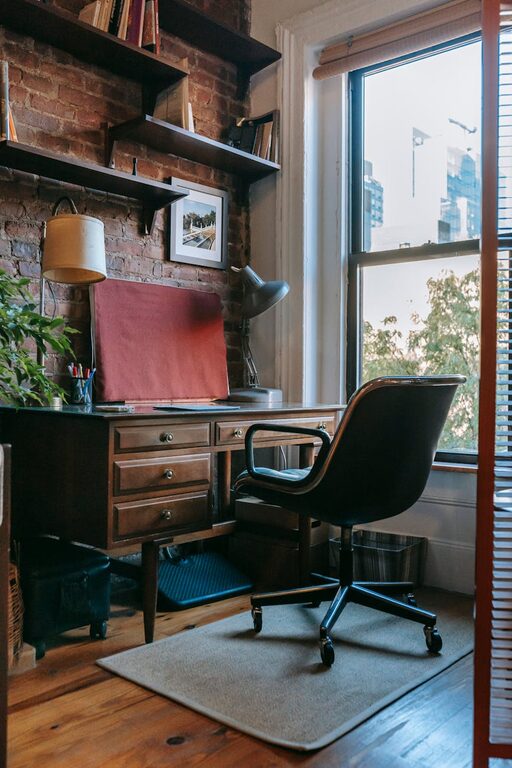
– Consider Natural Light: Work near a window if possible. Natural light improves mood and energy, making your workspace feel more open and inviting.
– Think About Privacy: Ensure your chosen area offers privacy, especially during video calls or focused work sessions.
Invest in Comfortable Furniture
Comfort is key when you spend long hours at your desk.
– Ergonomic Chair: Choose a chair with good lumbar support and adjustable height. This prevents back pain and encourages good posture.
– Spacious Desk: Select a desk that fits your work essentials with room to spare. If space is limited, consider a foldable or wall-mounted desk.
– Use a Footrest: For additional comfort, a footrest can improve circulation and posture during seated work.
Optimize Lighting
Good lighting reduces eye strain and helps keep you alert.
– Layer Your Lighting: Combine ambient lighting (overhead lights) with task lighting (desk lamp) for flexibility.
– Use Daylight Bulbs: Choose bulbs that mimic natural daylight to create a bright, clear work environment.
– Minimize Glare: Position monitors and lamps to avoid glare on screens or work surfaces.
Personalize Your Space
Adding personal touches makes your office feel welcoming and unique.
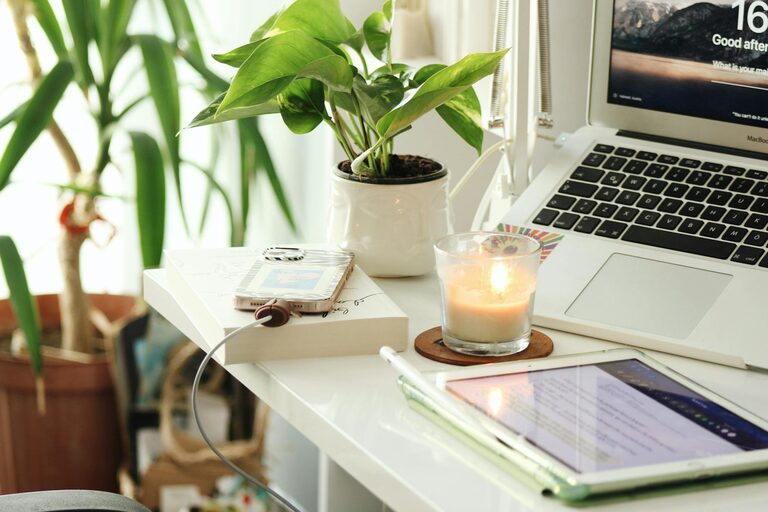
– Decorate with Plants: Indoor plants add color, improve air quality, and create a calming atmosphere.
– Incorporate Art and Photos: Display artwork or photos that inspire you and bring joy.
– Choose Soothing Colors: Soft, neutral tones promote calmness, while accent colors can energize the space.
Stay Organized
An organized workspace reduces distractions and increases efficiency.
– Use Storage Solutions: Invest in shelves, drawers, and organizers to keep papers and supplies tidy.
– Declutter Regularly: Remove unnecessary items daily or weekly to maintain a clean environment.
– Cable Management: Keep cords and cables under control with clips or covers to prevent tangling and mess.
Create Zones for Different Activities
If space allows, designate areas for specific tasks.
– Work Zone: Your main desk area where focused tasks take place.
– Reference Zone: A spot for books, files, and documents you frequently use.
– Break Zone: A comfortable chair or nook for short breaks to refresh your mind.
Integrate Technology Wisely
Technology should support your workflow, not disrupt it.
– Ergonomic Accessories: Use a wireless mouse and keyboard to reduce strain.
– Reliable Internet: Ensure a strong internet connection for video calls and cloud work.
– Noise-Canceling Headphones: Useful for blocking noise and enhancing concentration.
Maintain Proper Air Quality and Temperature
A pleasant climate contributes to overall comfort and productivity.
– Ventilate Regularly: Open windows when possible to let fresh air circulate.
– Use a Fan or Heater: Adjust temperature with devices to keep your workspace comfortable year-round.
– Add a Humidifier: If your home is dry, a humidifier can improve air quality and reduce discomfort.
Set Clear Boundaries
Balancing work and personal life can be challenging when your office is at home.
– Define Work Hours: Establish a schedule to help maintain focus and avoid burnout.
– Use a Door or Divider: Physically separate your office space to signal work time.
– Communicate with Household Members: Let others know your schedule to minimize interruptions.
Incorporate Relaxation Elements
Including simple ways to relax can improve your workday wellbeing.
– Comfort Items: Keep a cozy blanket or cushion handy.
– Aromatherapy: Use a diffuser with calming scents like lavender or eucalyptus.
– Background Music: Play soft instrumental music or nature sounds to enhance focus.
Final Thoughts
Creating a home office that feels cozy and supports productivity is achievable with thoughtful planning and small changes. By considering space, comfort, lighting, organization, and personal touches, you can build a workspace that makes daily work more enjoyable and efficient. Remember, your home office should be a place where you feel motivated, comfortable, and ready to tackle your tasks.
Start with a few of these tips today, and gradually customize your space to fit your unique workflow and lifestyle. A well-designed home office is an investment in your productivity and happiness!
About the Author