Creating a productive home office environment is key to working efficiently and maintaining a healthy work-life balance. Whether you’re new to remote work or looking to enhance your current setup, making small but thoughtful changes can significantly improve your focus and output throughout the day. This guide will offer practical tips to help you design a home workspace that supports productivity and well-being.
Why a Productive Home Office Matters
Working from home has become a norm for many, but it also comes with unique challenges. Distractions, poor setup, and lack of boundaries can reduce productivity and increase stress. A well-organized, comfortable, and dedicated workspace helps you stay motivated, minimizes interruptions, and clearly separates work time from personal time.
Choose the Right Location
Starting with the right spot in your home is crucial. Here are some factors to consider:
– Quiet Space: Find a quiet area with minimal background noise to help you concentrate.
– Natural Light: Whenever possible, position your desk near a window to benefit from natural light, which can boost mood and energy.
– Away from Distractions: Avoid high-traffic areas like the living room or kitchen, especially if others are frequently around.
If you have limited space, consider using room dividers or noise-cancelling headphones to create boundaries.
Invest in Ergonomic Furniture
Comfort plays a huge role in productivity. Sitting for long hours in an uncomfortable chair or hunching over a desk can cause fatigue and pain.
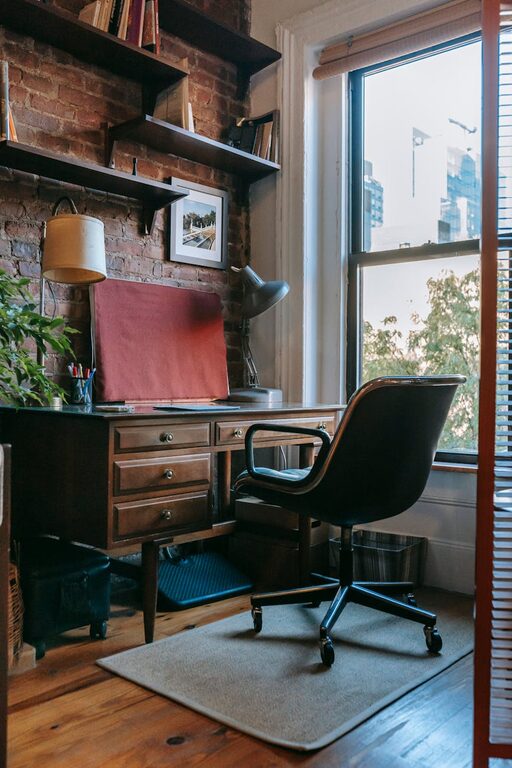
– Adjustable Chair: Choose a chair with lumbar support, adjustable height, and comfortable cushioning.
– Proper Desk Height: Your desk should allow your arms to rest at a 90-degree angle when typing.
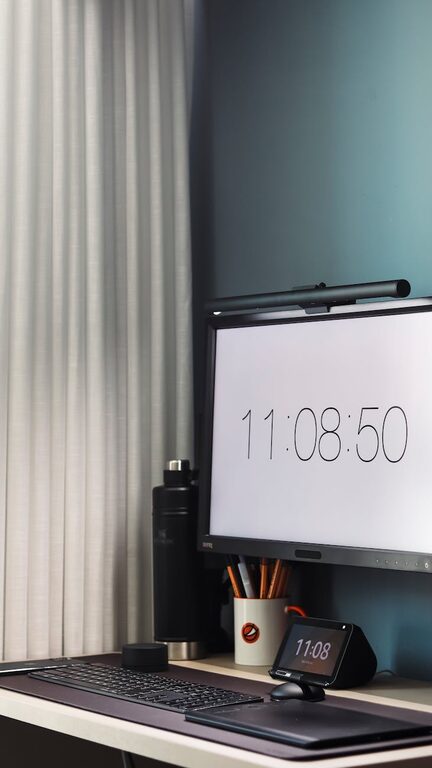
– Monitor Position: Position your computer screen at eye level about an arm’s length away to reduce neck and eye strain.
Standing desks or desk converters are also options to alternate between sitting and standing, promoting better posture.
Organize Your Workspace
A cluttered desk can lead to a cluttered mind. Keep your workspace tidy and organized to minimize distractions:
– Declutter Daily: At the end of each workday, spend a few minutes tidying up papers, pens, and other items.
– Storage Solutions: Use drawers, shelves, or organizers to keep supplies accessible yet out of the way.
– Digital Organization: Keep your computer desktop and files organized using folders and shortcuts.
Having only the essentials on your desk helps maintain focus on the task at hand.
Optimize Lighting
Good lighting enhances alertness and reduces eye strain:
– Use Task Lighting: A desk lamp with adjustable brightness can help focus light where you need it most.
– Avoid Glare: Position your monitor and lights to avoid reflections and glare on your screen.
– Balance Light Sources: Combine natural light and artificial light to avoid harsh contrasts.
If natural light isn’t available, choose bulbs with a daylight color temperature for a more natural feel.
Minimize Distractions
Home environments pose unique distractions. Consider these strategies to maintain focus:
– Set Boundaries: Communicate your work hours and space to family or housemates.
– Turn Off Notifications: Silence non-work-related notifications on your devices during work hours.
– Use Focus Techniques: Methods like the Pomodoro Technique (working in timed intervals) can help maintain concentration.
Use headphones or white noise apps to mask disruptive sounds if necessary.
Personalize Your Space
Adding personal touches can make your workspace inviting and motivating:
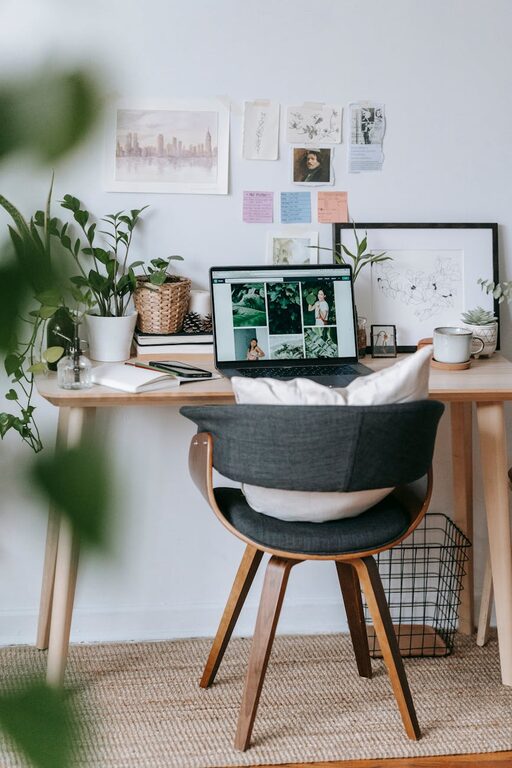
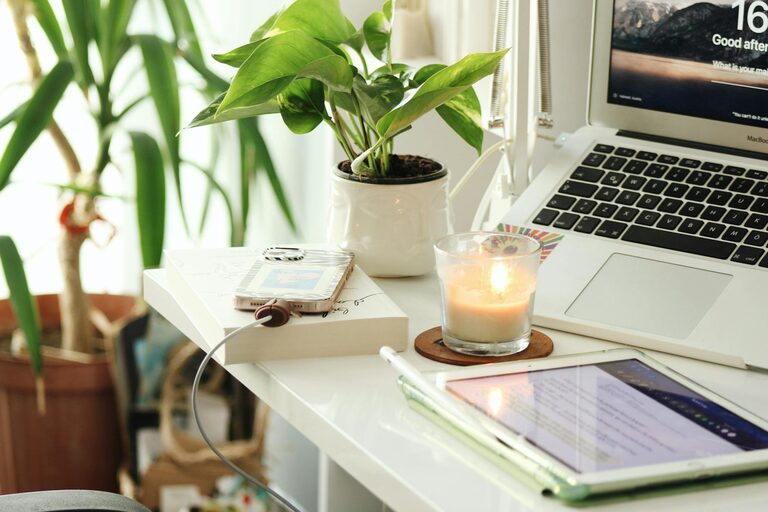
– Incorporate Plants: Small indoor plants improve air quality and add a calming touch.
– Inspirational Items: Display photos, quotes, or artwork that energize you.
– Comfort Items: Keep a water bottle, a cozy throw, or stress-relief tools nearby.
While personalization is great, avoid overdecorating which can create visual distractions.
Establish a Routine
Creating and sticking to a daily routine enhances productivity:
– Set Work Hours: Define clear start and end times to separate work from personal life.
– Take Breaks: Regular short breaks help refresh your mind and prevent burnout.
– Dress for Work: Changing into work-appropriate clothes can improve mindset and readiness.
A routine helps build habits that support focus and discipline.
Use Technology Wisely
Leverage technology tools to streamline tasks without becoming overwhelmed:
– Task Management Apps: Tools like Trello, Asana, or Todoist help track tasks and deadlines.
– Video Conferencing Tools: Ensure good-quality audio and video equipment for virtual meetings.
– Time Tracking: Apps can help monitor how you spend work hours and identify productivity patterns.
However, avoid multitasking with too many apps open at once, as that can reduce effectiveness.
—
Creating an effective home office takes some planning but the benefits are well worth it. By choosing the right location, investing in comfort, organizing your space, and establishing good habits, you’ll build a productive environment tailored to your needs. Start making small changes today and enjoy a more focused and enjoyable work-from-home experience.
About the Author